


Ludo Quick brings a fast-paced twist to the classic board game, delivering quick matches and real-time competition in every round. Combining simple dice mechanics with strategic movement, the game creates a balanced experience of skill and luck that keeps players engaged. With shorter sessions and instant gameplay, it’s designed for those who want excitement without long waiting times. Discover how the game works and how to play more effectively on Jilipark in the guide below.
What is Ludo Quick?
Ludo Quick is a modern adaptation of the traditional Ludo board game, redesigned to deliver faster matches and more interactive gameplay. Instead of long, drawn-out sessions, it focuses on short rounds where players can quickly enter, compete, and finish a game within minutes, making it ideal for mobile users and casual play.
What makes this version engaging is its balance between simplicity and decision-making. While the core mechanics remain easy to understand, each move still requires timing and strategy, especially when competing against real players. This combination creates a dynamic experience where every match feels competitive without becoming overly complex.
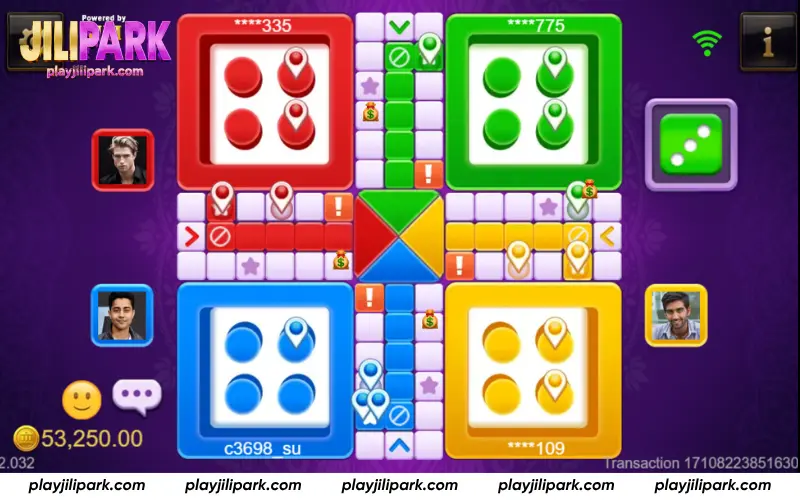
Ludo Quick game rules and how it works
Understanding the rules of Ludo Quick helps players make better decisions during each match. While the gameplay is simple, knowing how turns, movement, and win conditions work can give you a clear advantage.
- Each match includes four players: Every player controls four pieces, competing to move them across the board and reach the final zone before others.
- The game starts with a random player: Turns proceed in a clockwise order, ensuring a fair rotation for all participants.
- Two pieces are active from the start: Unlike traditional Ludo, players already have two pieces in play, allowing faster gameplay and immediate action.
- Dice rolls determine movement: On each turn, players roll the dice and move one piece according to the number rolled, choosing strategically which piece to advance.
- Finish zone requires unlocking first: Players must clear the “Finish zone Blockade” before entering the final area, adding an extra layer of strategy.
- Winning condition is reaching the finish zone: The first player to move a piece into the finish zone wins the match, ending the game instantly.
- System rules for fairness and stability: In case of technical issues, the system may automatically complete the game and determine results. If a player disconnects after placing a bet, the outcome remains valid and cannot be changed.

How Ludo Quick gameplay mechanics work
Understanding how each mechanic interacts on the board is essential to playing Ludo Quick effectively. The game combines movement, positioning, and random effects to create a fast-paced experience where every decision can influence the final outcome.
Board layout, zones, and movement rules
The board structure defines how players move, defend, and progress toward victory. Each zone and movement rule works together to create a balanced gameplay system that is both simple and strategic.
- Start zone and starting point: Pieces begin here and must enter the board before progressing
- Safe zone protection: Certain tiles prevent pieces from being captured
- Finish zone objective: Players must reach this area to win the match
- Finish blockade condition: Specific requirements must be met before entering the final zone
- Dice movement system: Each roll determines movement, while rolling a six allows entry or extended play
- Time limit mechanic: If no action is taken, the system automatically moves a piece
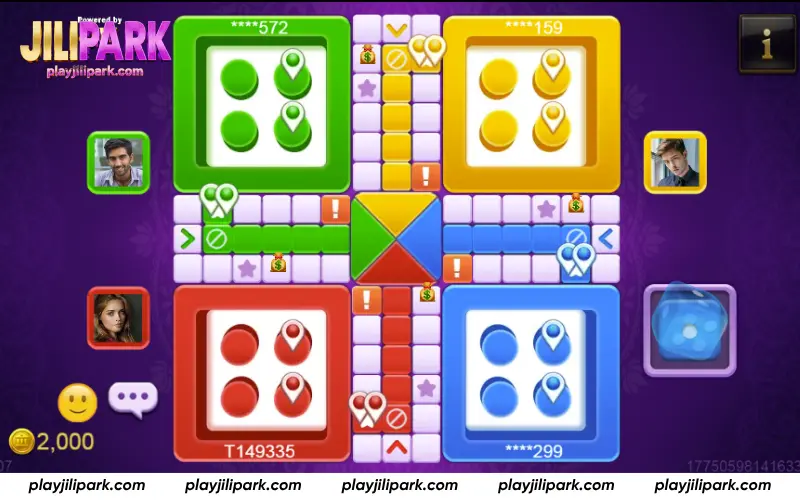
Capture, block, and defensive mechanics
Player interaction is driven by capture and blocking mechanics, creating both offensive and defensive strategies throughout the match.
- Capture opponent pieces: Landing on an opponent sends them back to the start zone
- Safe zone immunity: Pieces inside protected tiles cannot be captured
- Block system: Two pieces of the same color create a barrier that opponents cannot pass
- Position control: Players can slow down opponents while protecting their own progress
Dice rewards and turn extension system
The dice reward system allows players to build momentum by extending turns and increasing movement opportunities.
- Extra roll from six: Rolling a six grants an additional turn
- Capture bonus roll: Successfully capturing an opponent gives another roll
- Finish reward: Reaching the finish zone can provide extra movement opportunities
- Limit system: Consecutive rolls are controlled to maintain game balance
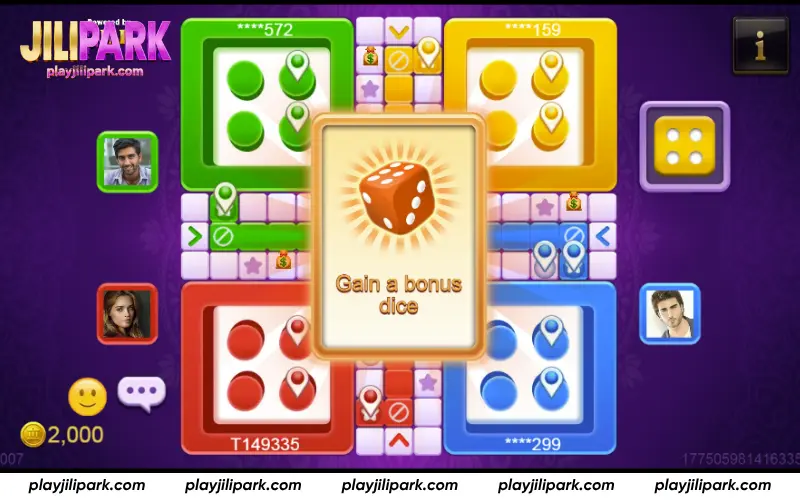
Chance system and random effects
Chance mechanics introduce unpredictability, giving players opportunities to change their position quickly during a match.
- Forward movement boosts: Move ahead by 1, 3, 5, or 7 spaces
- Position shifting effects: Move to the nearest piece or safe zone
- Dice reward effects: Gain extra rolls or additional actions
- Game-changing impact: These effects can quickly shift the momentum of a match

Money bag and in-game reward interaction
Additional reward elements are integrated directly into gameplay, creating more incentive beyond simply winning the match.
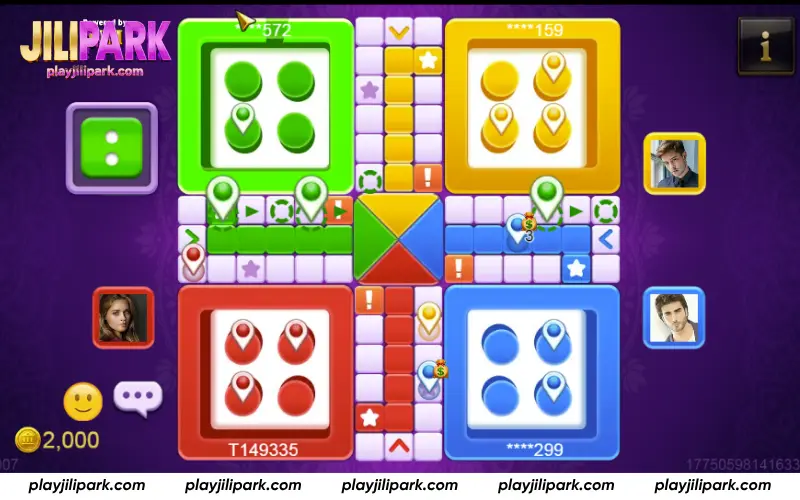
- Random appearance on board: Money bags spawn during gameplay
- Ownership system: Players collect and hold money bags on their pieces
- Capture transfer: Money bags move to the capturing player
- Stacking mechanic: Multiple rewards can be held and moved together
Entry fee structure and reward distribution in Ludo Quick
Understanding how entry fees and rewards are structured helps players evaluate risk and potential returns before joining a match. This system ensures that every game has clear stakes while also creating multiple ways to earn based on performance and in-game actions.
Entry fee components and match setup
Each match requires an entry fee that is divided into different parts, forming the foundation of the reward system and overall prize pool.
- Boot amount: The initial stake required to join a match
- Prize pool contribution: A portion of the fee goes into the total reward for the winner
- Money bag allocation: Part of the entry is converted into collectible in-game rewards
- Balanced structure: Ensures both fairness and competitive gameplay

How rewards are calculated after each match
At the end of a match, rewards are distributed based on both ranking and collected items, making outcomes more dynamic than a simple win-or-lose system.
- Winner takes the main prize: The player who finishes first receives the largest portion of the pool
- Money bag value matters: Collected items increase total payout beyond base winnings
- Shared remaining rewards: Uncollected values may be distributed among players
- Performance-based payout: Final rewards reflect both placement and in-game actions

Risk and reward balance in gameplay
The combination of entry fees and reward mechanics creates a balance between risk and potential return, encouraging players to think strategically before and during each match.
- Higher stakes increase potential rewards: Larger entry fees lead to bigger prize pools
- In-game actions affect earnings: Capturing and collecting directly impact final payout
- Not only about finishing first: Smart play can still generate value even without winning
- Encourages strategic decision-making: Players must balance aggression and safety
Tips to play Ludo Quick more effectively
Ludo Quick is not just about luck—it requires fast decision-making, positioning control, and smart use of dice rewards and chance effects. The tips below are tailored specifically to this game’s mechanics to help you maximize your win potential.
- Prioritize bringing multiple pieces onto the board early: Keeping pieces in the start zone limits your options. More active pieces mean more flexibility in movement and better chances to capitalize on bonus rolls.
- Use roll-of-six momentum to build pressure: Rolling a six is more than movement—it allows extra turns. Chain your actions (deploy + move) to create strong early-game pressure.
- Actively capture opponents to gain extra turns: Capturing is not just defensive—it grants additional rolls. Use this to create combo turns and disrupt opponents’ progress.
- Keep at least one piece near a safe zone: Avoid exposing all your pieces at once. Maintaining a safe-positioned piece helps stabilize your game if you get countered.
- Use block mechanics to control the board: Two pieces of the same color can block paths. Place them strategically on key routes to slow down opponents.
- Unlock the finish blockade as early as possible: If you don’t meet the conditions to enter the finish zone, your pieces will keep looping. Prioritize clearing this requirement early.
- Time your chance effects carefully: Effects like +3, +5, or moving to the nearest token can shift the game. Use them when they give positional advantage—not randomly.
- Collect money bags strategically, not greedily: While money bags increase rewards, chasing them recklessly can expose your pieces to capture.
- Control endgame tempo instead of rushing: Sending one piece to finish too early while others lag behind can cost you control. Balance your progress across pieces.
- Choose the right level based on your bankroll: Higher levels offer bigger rewards but higher risk. Select a room that matches your budget to sustain long-term play.
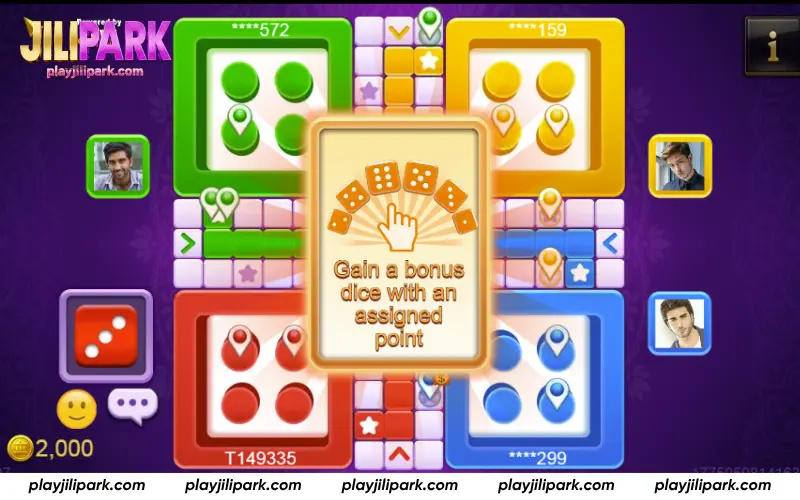
- Use assigned dice effects to control outcomes: When receiving bonus dice with a chosen number, prioritize moves that unlock blockades or capture opponents instead of wasting it on safe movement.
Player reviews of Ludo Quick gameplay experience
Real player feedback shows how Ludo Quick actually feels during matches, especially in terms of pacing, strategy, and how different mechanics impact results over time.
|
Full Name |
Country |
Review |
|
Rahul Sharma |
India |
At first I thought it was just luck, but after a few games I realized timing your moves and using extra rolls properly really matters. |
|
Andi Prasetyo |
Indonesia |
The matches are quick but intense. One good capture can completely change the outcome, especially with the extra turn. |
|
Carlo Reyes |
Philippines |
I like how unpredictable it can be. Even when you’re behind, a good chance effect or dice roll can bring you back into the game. |
|
Mark Santos |
Philippines |
You can’t just rush to finish. If your other pieces are out of position, you’ll lose control quickly. It’s more strategic than it looks. |
|
Sokheng Lim |
Cambodia |
The reward system makes it interesting. Even when I don’t win, collecting money bags still gives me something back. |
FAQs about Ludo Quick
These are common concerns players have before deciding to play and invest time or money into the game.
Is Ludo Quick more skill-based or luck-based?
While dice rolls introduce randomness, decision-making plays a major role. Choosing which piece to move, when to capture, and how to position your tokens can significantly impact your chances of winning.
How long does a typical match take?
Matches are designed to be quick, usually lasting only a few minutes. This makes it suitable for short play sessions without requiring long commitments.
Can you still earn rewards without finishing first?
Yes, the game allows players to gain value through in-game actions like collecting money bags, meaning you can still earn something even if you don’t win the match.
What happens if you lose connection during a match?
If a player disconnects after entering a match, the system may continue the game automatically and determine the outcome based on the current state, with results still considered valid.
Is there a best strategy to increase win rate?
There is no guaranteed method to win every match, but consistently applying strategies like managing multiple pieces, timing captures, and using bonus rolls wisely can improve overall performance.
Are higher-level rooms always better to play?
Not necessarily. Higher levels offer bigger rewards but also come with higher risk. Choosing the right level depends on your budget and how much risk you are willing to take.
Conclusion
Ludo Quick delivers a fast-paced and competitive board game experience that goes beyond simple dice mechanics. With features like extra dice rewards, chance effects, blocking strategies, and money bag collection, the game creates multiple layers of decision-making in every match. While luck plays a role, players who understand positioning, timing, and risk management can consistently gain an advantage over time.
Whether you prefer quick casual matches or higher-stakes gameplay, Ludo Quick offers flexibility and excitement in equal measure. If you’re looking for a dynamic board game that rewards both smart play and quick thinking, you can explore and experience it directly on Jilipark today.
Jilipark is an online casino offering a variety of slot games, live casino options, and secure payment methods. It provides a user-friendly experience, catering to both casual and experienced players.
Hotline: +63-9442492123
Email: [email protected]
Website: https://playjilipark.com/